Seine River Trails and the Local Clubs Powering Paris Marathon Training
David Hartmann · Aug 18, 2026
Seine River Trails and the Local Clubs Powering Paris Marathon Training
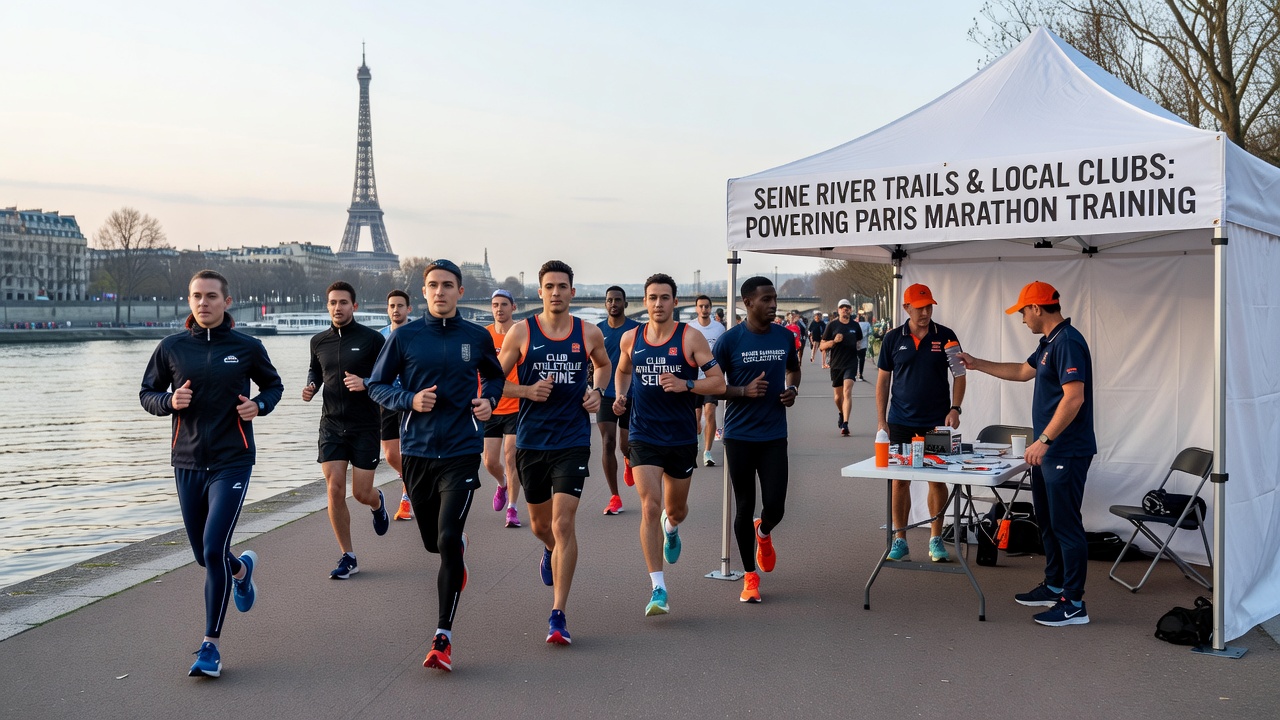
Paris marathon training draws substantial numbers of participants to the Seine River trails each year, where flat paved paths stretch for kilometers along both banks and provide consistent surfaces for distance work. Runners access these routes from multiple entry points including the areas near Pont de l'Alma and the Jardin des Plantes, while the total network extends more than 30 kilometers in connected segments that allow for out-and-back or looped sessions.
Key Trail Segments and Accessibility
Official city maps document the primary running corridors that begin at the western edge near Boulogne-Billancourt and continue eastward past the Île de la Cité, with additional spurs along the Canal Saint-Martin that connect to the main river path. Data from the Mairie de Paris shows these routes receive daily maintenance, and lighting remains active until midnight on most sections, which supports early morning or evening training blocks. Runners often combine segments to reach 10-kilometer, 21-kilometer, or full 42-kilometer distances without leaving the riverside, while elevation changes stay minimal at under 20 meters across long stretches.
Local Clubs and Structured Training Programs
Several established Paris-based running clubs maintain regular sessions on the Seine paths, including groups affiliated with the Fédération Française d'Athlétisme that schedule interval work, tempo runs, and long steady efforts throughout the week. Club coordinators publish calendars that list meeting points at locations such as the Port de Javel and the Square du Vert-Galant, while group sizes range from 15 to 60 participants depending on the day and workout type. Members receive guidance on pacing, recovery protocols, and injury-prevention drills that align with marathon preparation timelines.
August 2026 marks a key preparatory window ahead of the following spring marathon, when clubs increase volume on the river trails to build aerobic base before the cooler autumn months arrive. Schedules during this period incorporate early starts to avoid peak heat, with sessions beginning at 6:30 a.m. and covering distances up to 32 kilometers on weekends.
Club Resources and Community Support
Local organizations supply water stations, pacing groups, and post-run mobility workshops at fixed riverside locations, which helps participants maintain consistent training loads. Figures released by the Comité Départemental d'Île-de-France reveal that registered club runners account for a significant share of Paris marathon entries each season, with many completing qualification standards through structured group training. Clubs also coordinate with municipal services to secure temporary road closures for larger long-run events along the Seine corridor.
Training Patterns and Route Integration
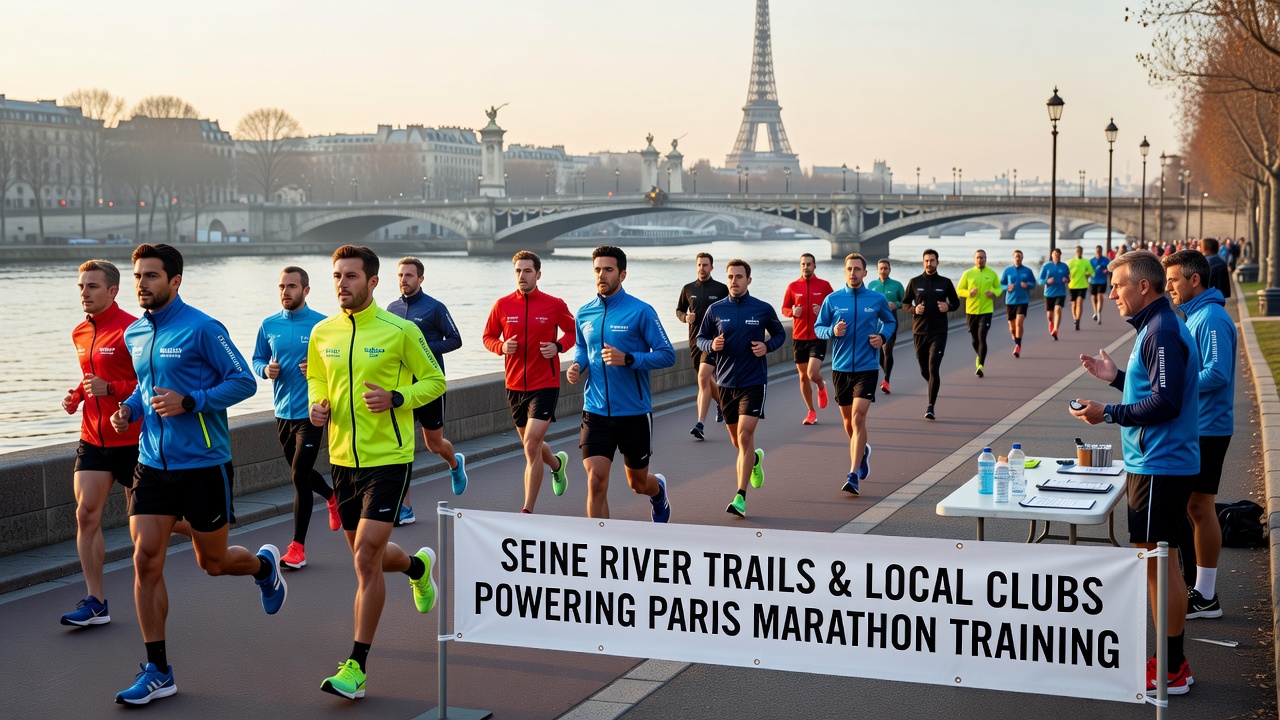
Observers note that many clubs divide the river into distinct zones for specific workout types, using the straight sections near the Musée d'Orsay for tempo efforts while reserving wider paths near the Pont Alexandre III for speed intervals. GPS data collected by training apps indicates average session distances of 12 to 18 kilometers on weekday evenings, with longer efforts shifting to weekends when traffic remains lighter. Runners frequently extend routes by crossing bridges to alternate banks, creating figure-eight patterns that add variety without increasing total elevation.
Coordination with City Events and Facilities
Paris municipal records show that Seine trails remain open year-round except during occasional high-water closures, and nearby facilities such as changing rooms at the Piscine Joséphine Baker provide support infrastructure. Clubs often partner with local cafés and sports stores for post-session nutrition briefings, which helps athletes manage recovery nutrition after long runs. Registration statistics from the official Marathon de Paris indicate that participants who train with organized groups complete the event at higher finish rates compared with independent runners, according to aggregated results published after each edition.
Conclusion
Seine River trails and the clubs that utilize them form a documented network supporting Paris marathon preparation through accessible routes, scheduled group sessions, and coordinated municipal resources. Training activity peaks in periods such as August 2026 ahead of the next event cycle, when structured programs emphasize progressive distance building along the river. Participation data and club calendars continue to reflect steady engagement with these paths as a central element of marathon training in the city.