Parisian Pétanque Leagues Forge Social Networks Across Neighborhood Squares
Jonas Vogel · Sep 1, 2026
Parisian Pétanque Leagues Forge Social Networks Across Neighborhood Squares
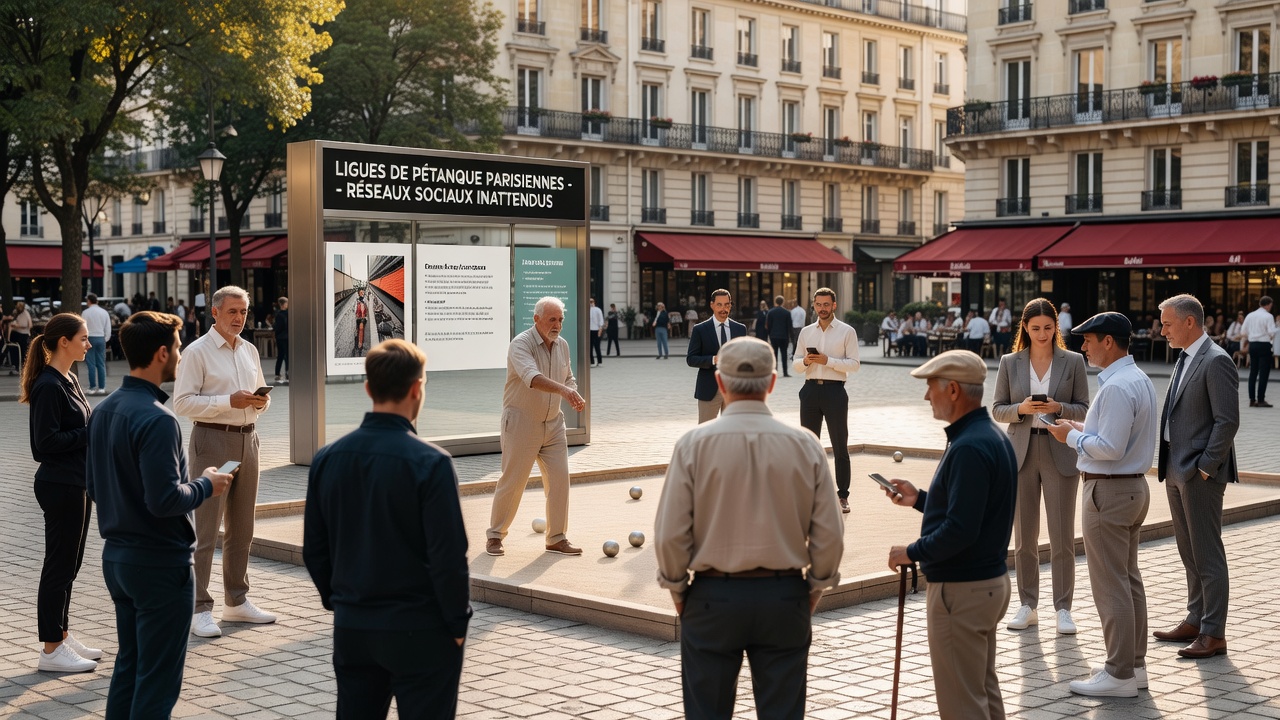
Parisian pétanque leagues operate from public squares in nearly every arrondissement, and records maintained by the city's sports department show steady growth in registered teams since 2018. Players meet on designated courts at places like Place de la République and Square du Temple where the game serves as the starting point for repeated interactions that extend beyond the matches themselves. Data from the French Pétanque Federation indicates more than 180 active leagues now coordinate weekly play across the capital, drawing participants from varied age groups and professional backgrounds.
League Structures and Daily Operations
Each league registers with local municipal offices and secures time slots on municipal courts, while captains handle team rosters and match schedules that rotate through different squares on fixed days of the week. Matches typically run from late afternoon into early evening, and participants often remain afterward to share equipment or discuss upcoming fixtures. The system relies on a points-based ranking maintained by league secretaries that determines advancement to seasonal tournaments held at larger venues such as Parc de Bercy.
Coordinators report that players frequently exchange contact information after several weeks of shared matches, leading to informal gatherings at nearby cafés or joint attendance at other neighborhood events. City records list over 4,200 active players in the 2025 season, with new registrations accepted each quarter through an online portal managed by the Paris sports authority.
Cross-Neighborhood Connections Documented in 2025
League schedules deliberately pair teams from adjacent districts, and participation logs reveal consistent travel between squares separated by several metro stops. One documented case from the 13th and 14th arrondissements shows two teams that began competing in spring 2024 later formed a combined group that now organizes monthly social matches at alternating locations. Federation statistics track similar patterns in at least twelve other league pairings where initial sporting contact produced recurring multi-district events.
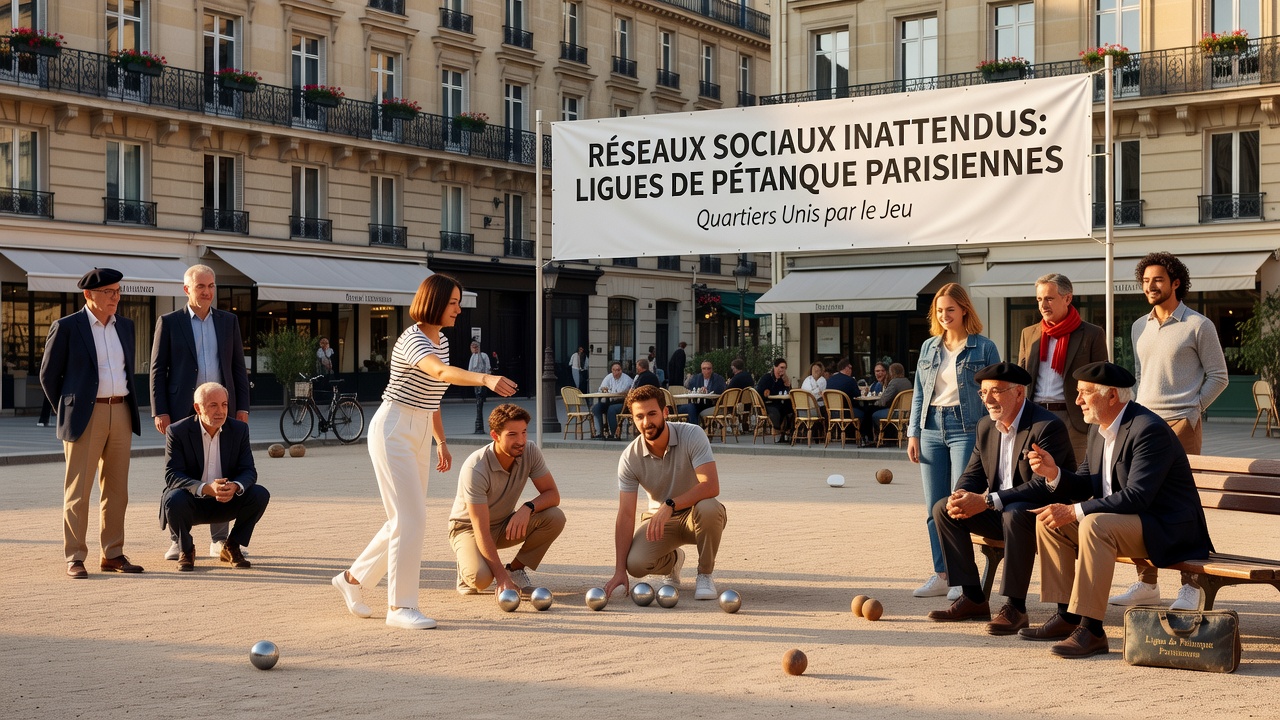
September 2026 has been designated by several leagues as the date for an expanded inter-arrondissement tournament series that will include teams from all twenty districts for the first time. Organizers have already reserved courts at four central squares and circulated registration forms that require players to list their home neighborhood, allowing planners to map travel patterns and identify emerging connections. Early sign-ups indicate roughly 850 participants will take part, according to preliminary tallies released by the coordinating committee.
Role of Public Squares in Sustaining Participation
Public squares function as fixed meeting points that require no membership fees beyond standard league dues, and accessibility draws residents who might not join private clubs. Maintenance reports from the Paris parks department note that courts in high-use squares receive resurfacing every two years, while lighting upgrades completed in 2023 now permit evening play at fifteen locations. These improvements coincide with a measured rise in after-work attendance recorded by league time sheets.
Observers tracking attendance patterns note that players who begin in one square often introduce colleagues or family members from other neighborhoods, creating chains of introduction that appear in roster updates. The French Ministry of Sports has referenced pétanque programs in its annual community activity summaries as an example of low-barrier group recreation that operates without dedicated indoor facilities.
Conclusion
Parisian pétanque leagues continue to expand their reach through scheduled matches and shared use of neighborhood squares, with participation data showing repeated cross-district contact. The upcoming September 2026 tournament series will test the scale of these networks by bringing together teams from every arrondissement under a single calendar. City and federation records provide the primary sources for tracking how these recurring gatherings translate into broader social ties among participants.